

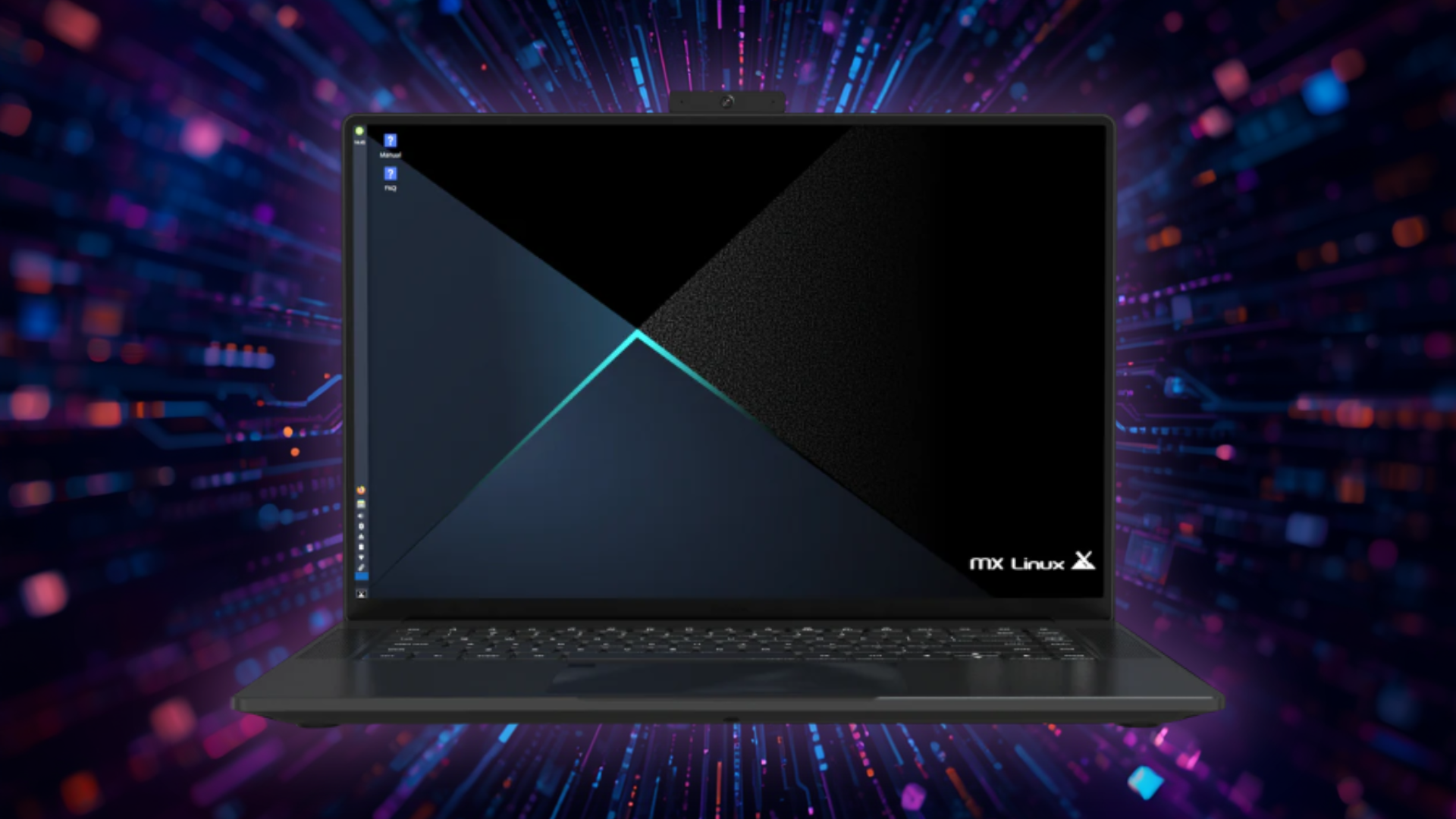
Star Labs Systems, a UK-based Linux hardware startup, has finally launched the StarFighter laptop — a high-performance laptop built with premium materials and designed primarily to run a Linux operating system.
Star Labs Systems, a UK-based Linux hardware startup, has finally launched the StarFighter laptop — a high-performance laptop built with premium materials and designed primarily to run a Linux operating system.
While I’m with you, there is one advantage: RAM can work on higher speeds when soldered and few actually upgrade it when not soldered.
I agree with that. My issue isn’t upgrading it, It’s a laptop. It’s unlikely I would upgrade it anyway just because of the compact design. My issue is strictly the repairing/replacing a damaged component point of view. Soldered components easily turns a repair job from “does this person have access to YouTube?” to a “do I still know a shop that’s willing to still use a soldering iron?”
Yep, true, soldering really kills reparability for most.
Surface mount rework station
A soldering iron isn’t going to get the job done for high density BGA packages. Example chip:
All those dots are balls of solder. The chip needs to be placed on the board in exactly the right position and orientation, and then the whole thing placed in a reflow oven so that the solder balls can melt and flow appropriately without bridging any connections.
Doing this at home without the right tools is essentially impossible. With the right tools, it’s merely quite difficult. Reflow soldering takes experience and carries the risk of damaging other components on the board which may not survive the temperatures in the reflow oven, so need to be removed first. Plus the reflowing procedure itself is guided by a temperature profile which would have been developed through experience in the factory with specific adjustments for the thermal characteristics of this board. Get the profile wrong and you may break other connections when the solder fails to flow, or have other chips on the board come loose.
Yeah, thats true but framework solved this with LPCAMM2 modules, which have much higher write speeds that sodimm. And just because “few actually upgrade it” doesnt mean all ram should be soldered, as having unsoldered ram caters to a completely different consumer market.
Didn’t they go with soldered RAM with their desktop PC, though?
I think so, because that was during the peak of the ram shortage, and LPCAMM2 was barely produced then.
If they use CAMM that’s no longer the case.
https://en.wikipedia.org/wiki/CAMM_(memory_module)